
Stigma Blog
Culture. Hemp. Community.
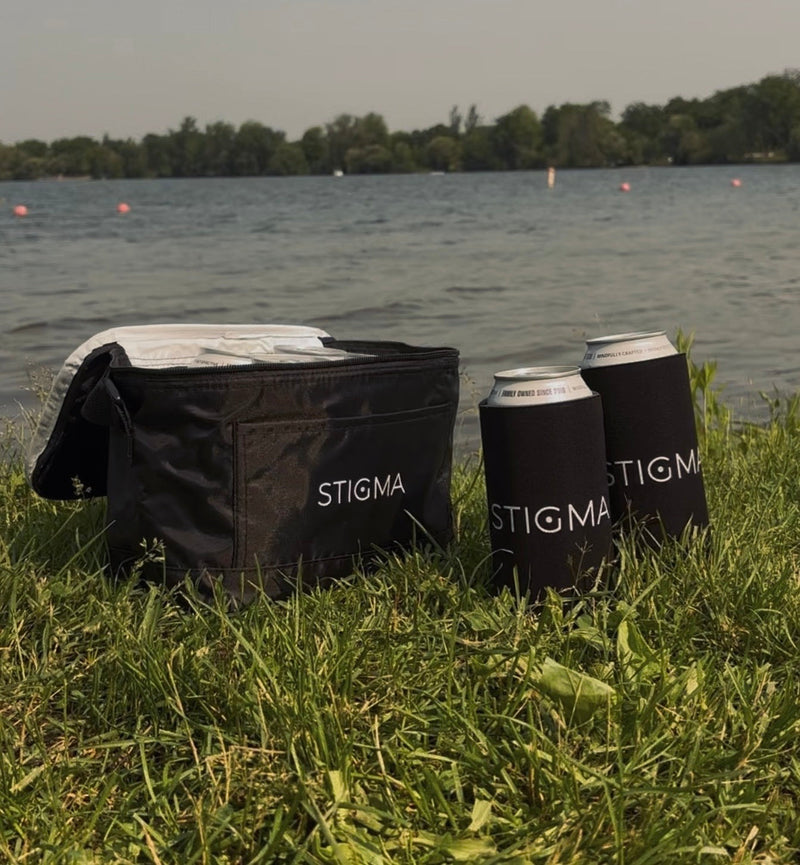
On Freedom; Actually
This Fourth of July, we are talking about the freedom that matters most — the kind you live in everyday and hemp legality —...
Read more →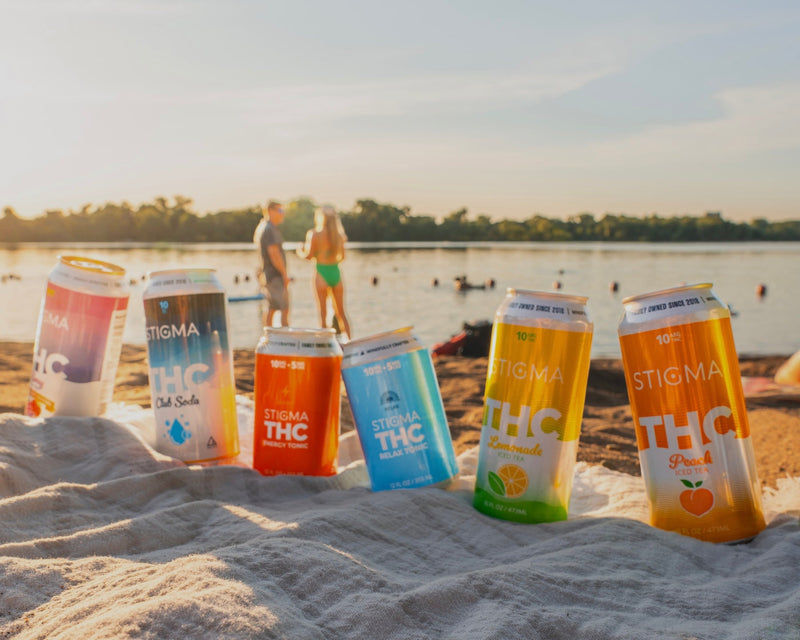
Pack Light, Feel Right: Your Summer Beach Bag Essentials
Summer days hit different when you pack with intention. Stigma’s guide to the perfect beach bag — what to bring, what to leave behind,...
Read more →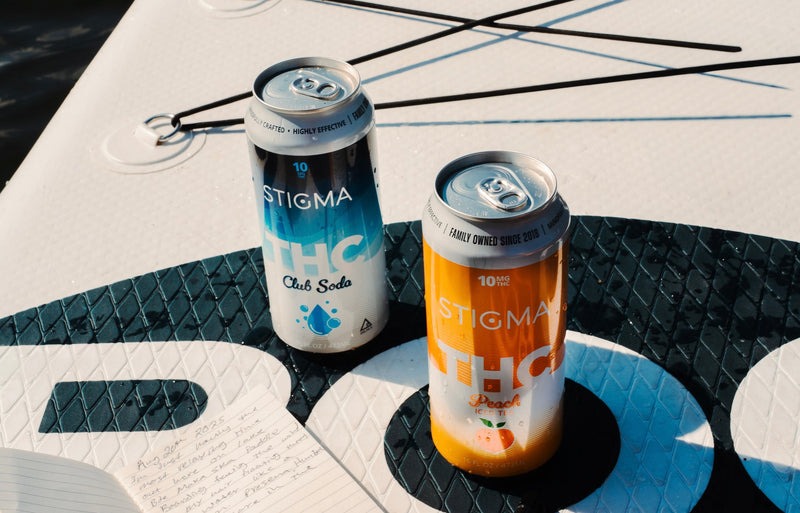
Present Tense: Why This Summer, We’re Choosing to Actually Show Up
On presence, intention, and what it means to be fully here. With Stigma.
Read more →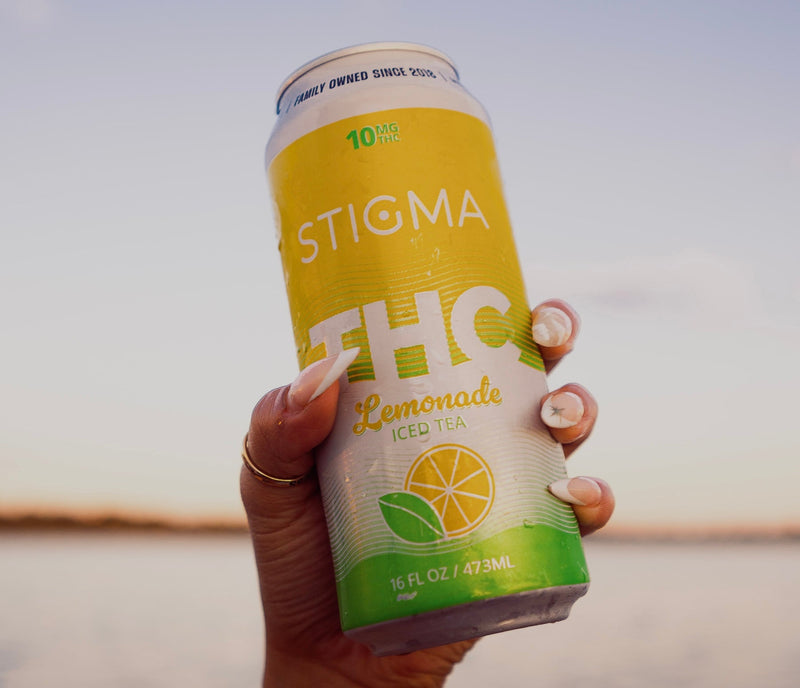
Refreshingly Simple: A Look at Stigma’s Summer Tea Lineup
A closer look at what’s in the cooler this season.
Read more →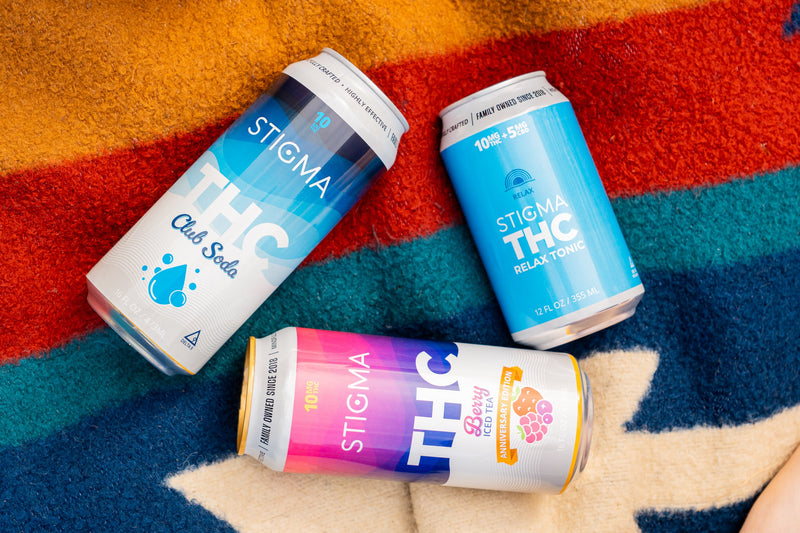
Gather Well: Build the Perfect Summer Ritual with the People You Love
A lifestyle guide to intentional summer moments.
Read more →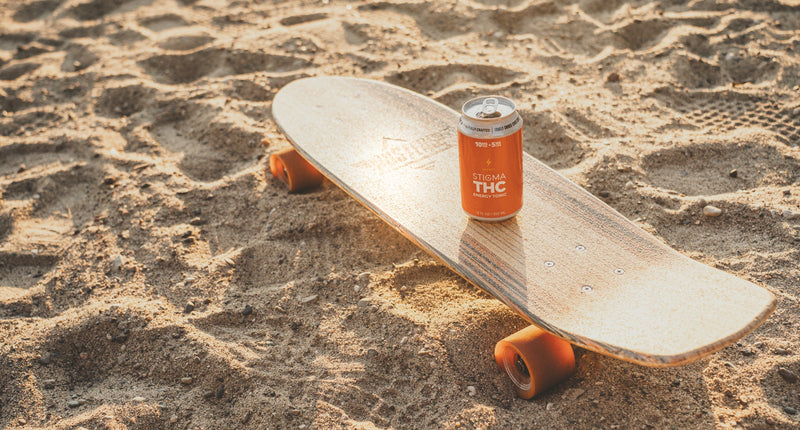
Recovery: Stigma for Real Life
THC culture is evolving. From energized afternoons outdoors, quiet evenings to deeper nighttime rest, Stigma was crafted to move with every part of the...
Read more →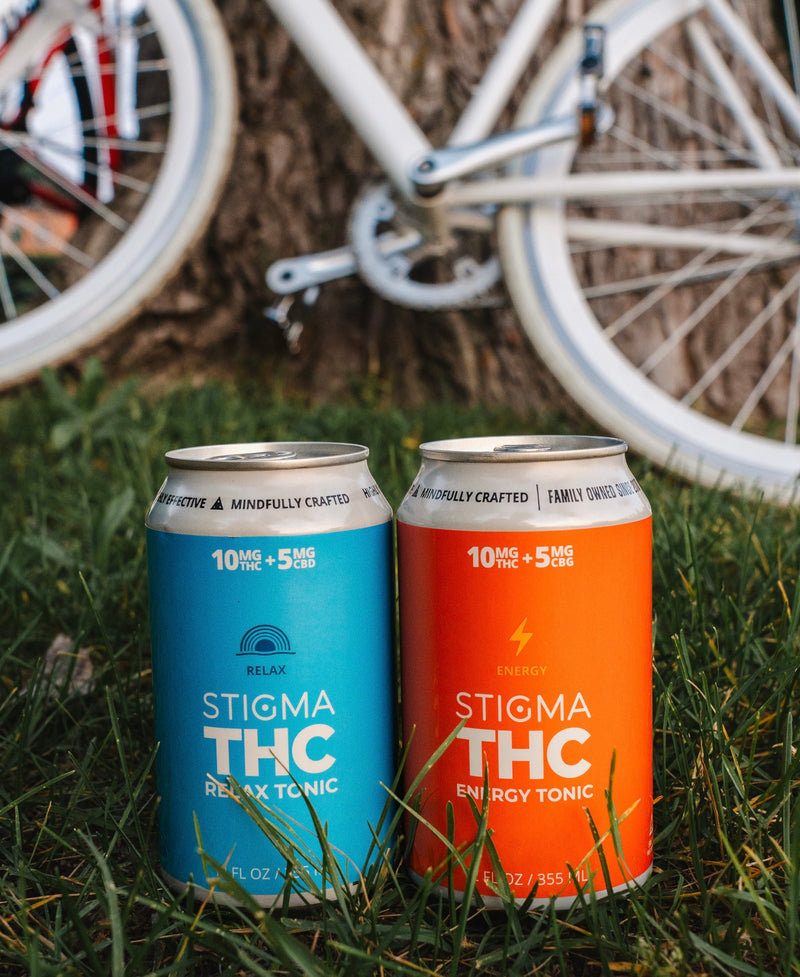
Balance: Where Energy meets Ease
Wellness isn’t about staying in one state all day. Discover how Stigma’s Energy and Relax Tonics were crafted to support both momentum and stillness...
Read more →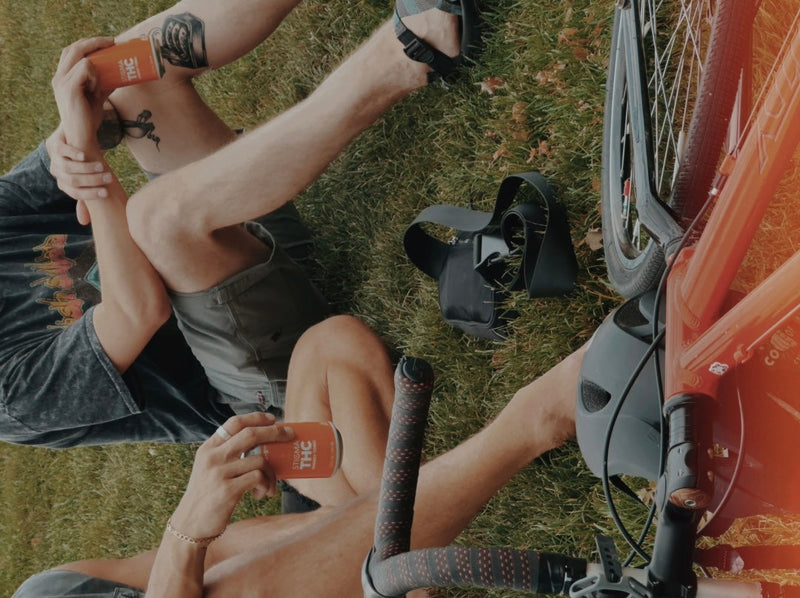
Momentum: Energizing your Routine
Some products are made for slowing down — this one was made for momentum. Stigma Energy Tonic was crafted to complement that momentum with...
Read more →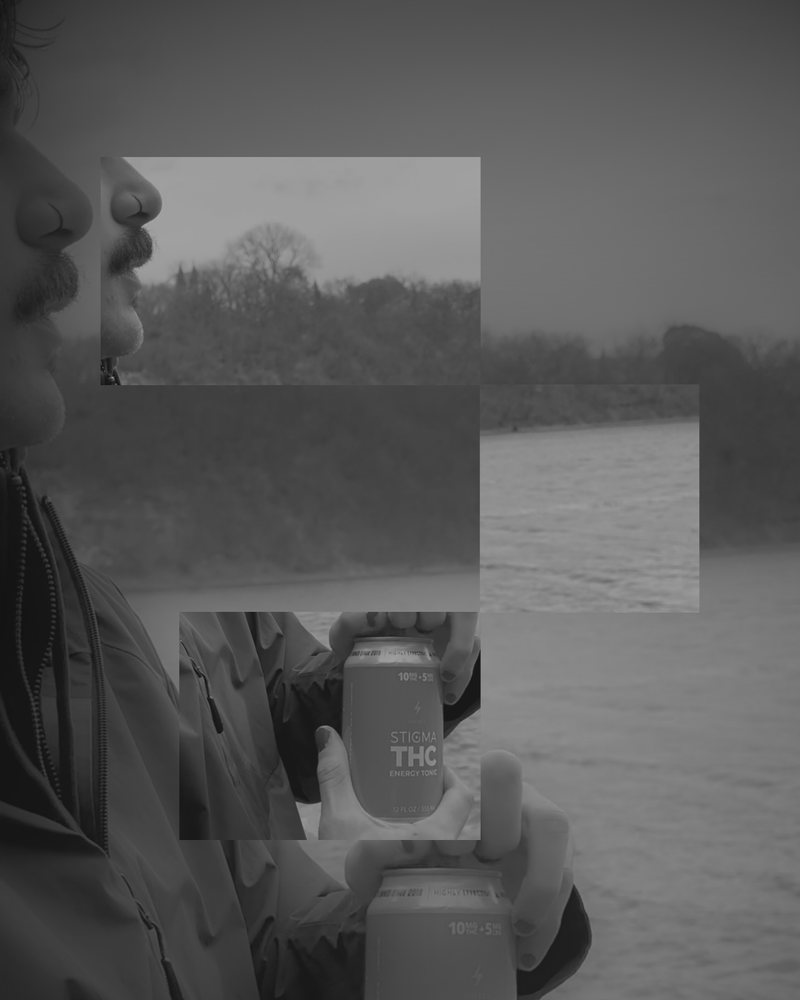
Where the Walk: Becomes the Moment
Explore the benefits of mindful walking. Learn how low-dose THC can support movement, increase sensory awareness, and promote a more present, balanced state.
Read more →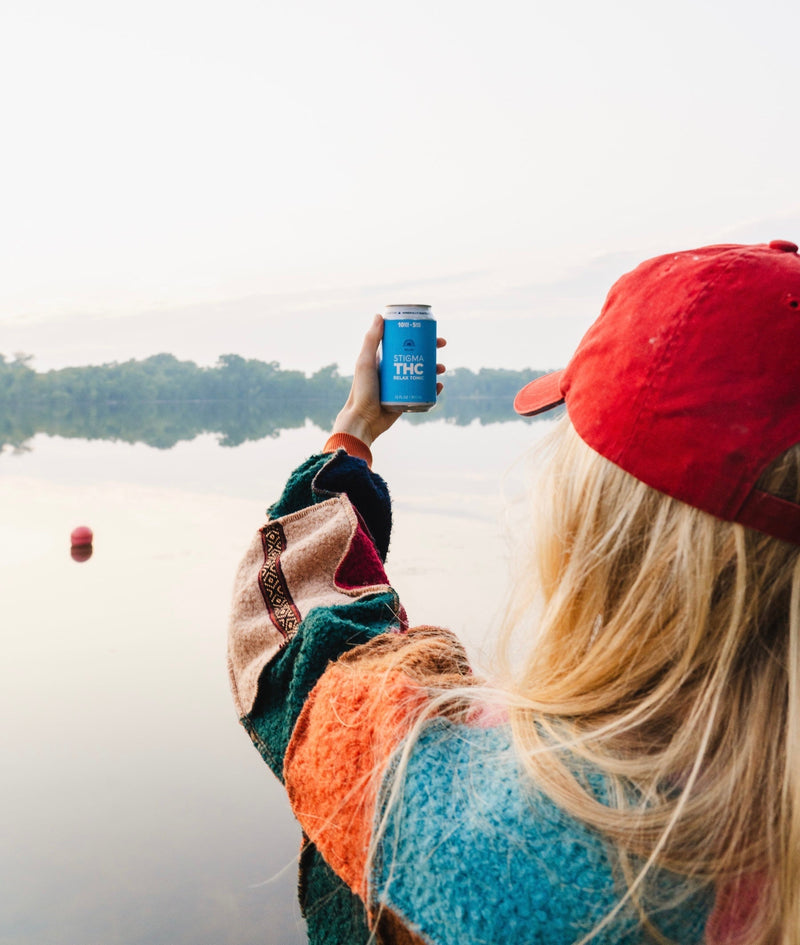
Bloom; The Art of Coming Back to Life
Spring doesn’t rush — and neither should you. As the season shifts, find your pace with a more balanced way to unwind.
Read more →
420; Reconsidered
In the early 1970s, a group of high school student in San Rafeal used “4:20” as a way to refer to cannabis without saying...
Read more →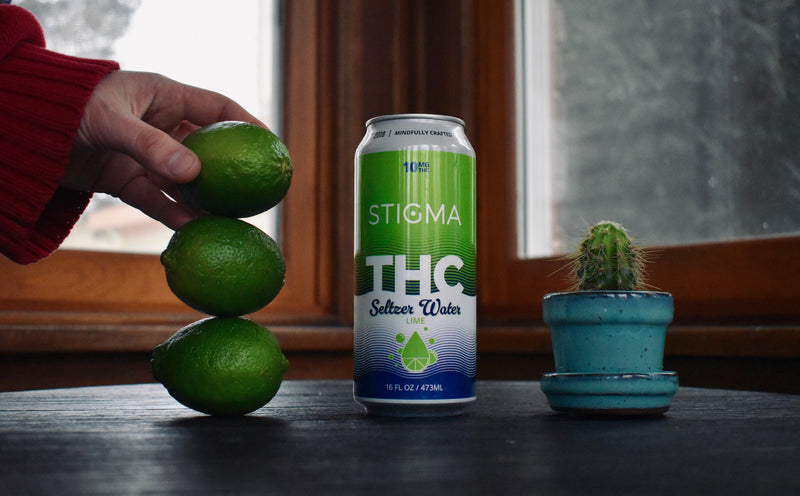
Refreshing Spring: Bright Citrus and the Return of Lighter Sips
Spring has a way of waking everything up The days stretch a little longer, the air feels softer, and suddenly the world feels brighter....
Read more →