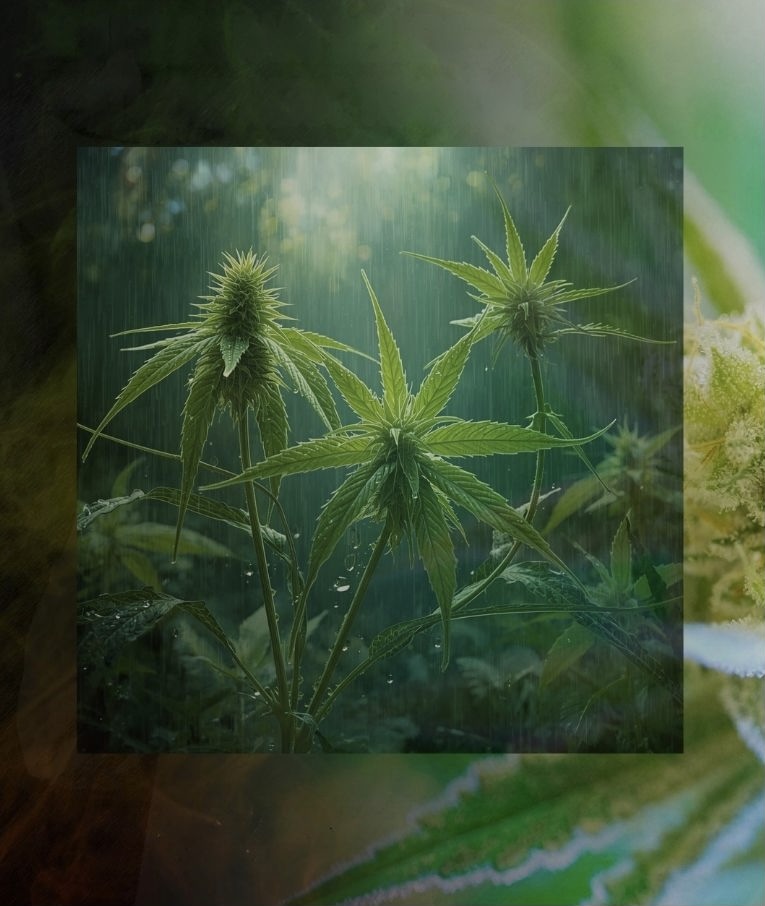
Hemp Helps: A History of Plant-Based Support

“Cannabis or marijuana have been used medically for centuries. It has been shown to be effective in treating a wide range of symptoms and conditions.

- Statement from the American Nurses Association.

Long before modern laboratories and federal agencies, plants were central to how societies understood health.

Among those plants was cannabis — and more specifically, hemp. Historical records from Asia, the Middle East, and parts of Europe document its inclusion in early herbal traditions. Ancient Chinese texts describe its use in traditional preparations.
Indian Ayurvedic practices incorporated cannabis into certain formulations. 

Across centuries and cultures, the plant appeared not as a cultural flashpoint, but as part of broader botanical systems.

That historical presence is the context behind statements like the one above. But history and modern regulation are not the same thing.

Understanding Historical Use

When we say cannabis has been used “medicinally for centuries,” we are speaking about documentation in traditional pharmacopeias — written records of plant-based preparations used in pre-modern healing systems.

For example, early Chinese medical texts attributed to Emperor Shennong referenced cannabis in herbal compendiums. In India, cannabis preparations were described in Ayurvedic literature. Hemp fiber was also widely cultivated across Europe and North America for rope, textiles, and paper, making the plant economically significant beyond its botanical properties.

It is important to recognize what these records represent:

They document cultural practices and observational knowledge — not modern clinical trials. Scientific methodology as we understand it today did not exist in the same way centuries ago. The standards now used by institutions like the U.S. Food and Drug Administration to evaluate safety and efficacy are far more rigorous and structured than historical accounts.

Acknowledging history does not replace the need for evidence. It provides context.

Hemp vs. Marijuana: Clarifying the Terms

In modern regulatory language, “hemp” refers to cannabis containing no more than 0.3% delta-9 THC by dry weight in the United States. This legal distinction, reinforced by the 2018 Farm Bill, separates hemp from marijuana under federal law.

Hemp has long been valued for:
Durable fiber
• Nutrient-rich seeds
• Agricultural versatility

More recently, hemp-derived cannabinoids have entered regulated consumer markets. As research evolves, so does public understanding — but regulation remains essential.

Why Context Matters

Statements about centuries of use can sometimes be interpreted as blanket endorsements. That’s not the intention — and it shouldn’t be the takeaway.

Historical use shows that the plant has been part of human societies for a long time. It does not automatically validate every modern product or claim.

Today, responsible companies operate within defined legal frameworks. Manufacturing standards, third-party testing, and labeling requirements exist to protect consumers and create transparency.

This is progress.

From Tradition to Transparency

At Stigma, when we say “hemp helps,” we are not making medical claims. We are acknowledging the plant’s longstanding place in human history and its continued presence in modern wellness conversations — within regulatory boundaries.

Help can mean many things:
Supporting a personal routine
• Complementing a balanced lifestyle
Offering a plant-based option within legal guidelines

Education matters because the conversation around cannabis has often swung between extremes — either overstated as a cure-all or dismissed outright.

The truth is more measured.

Hemp has a documented historical presence. Modern hemp products operate within regulated systems. Ongoing research continues to explore cannabinoids and their interactions within the human body. Institutions such as the National Institutes of Health continue to study these compounds to better understand their properties and potential applications.

The story of hemp is still being written.

Moving Forward Responsibly

Understanding context allows us to move beyond the stigma without drifting into exaggeration.

Hemp helps — not because it is mythical or miraculous — but because it is part of a long botanical tradition now supported by modern oversight and evolving science.

The future of plant-based support belongs to brands that respect both history and regulation.

Share:

Facebook
Twitter
Pinterest
LinkedIn

More to explore

Hemp Helps: A History of Plant-Based Support

Cannabis or marijuana have been used medically for centuries. It has been shown to be effective in treating a wide range of symptoms and conditions.
– Statement from the American Nurses Association.