From War to Wisdom: Why Regulation Is the Real Reform

As the American poet, writer, and thinker par excellence,
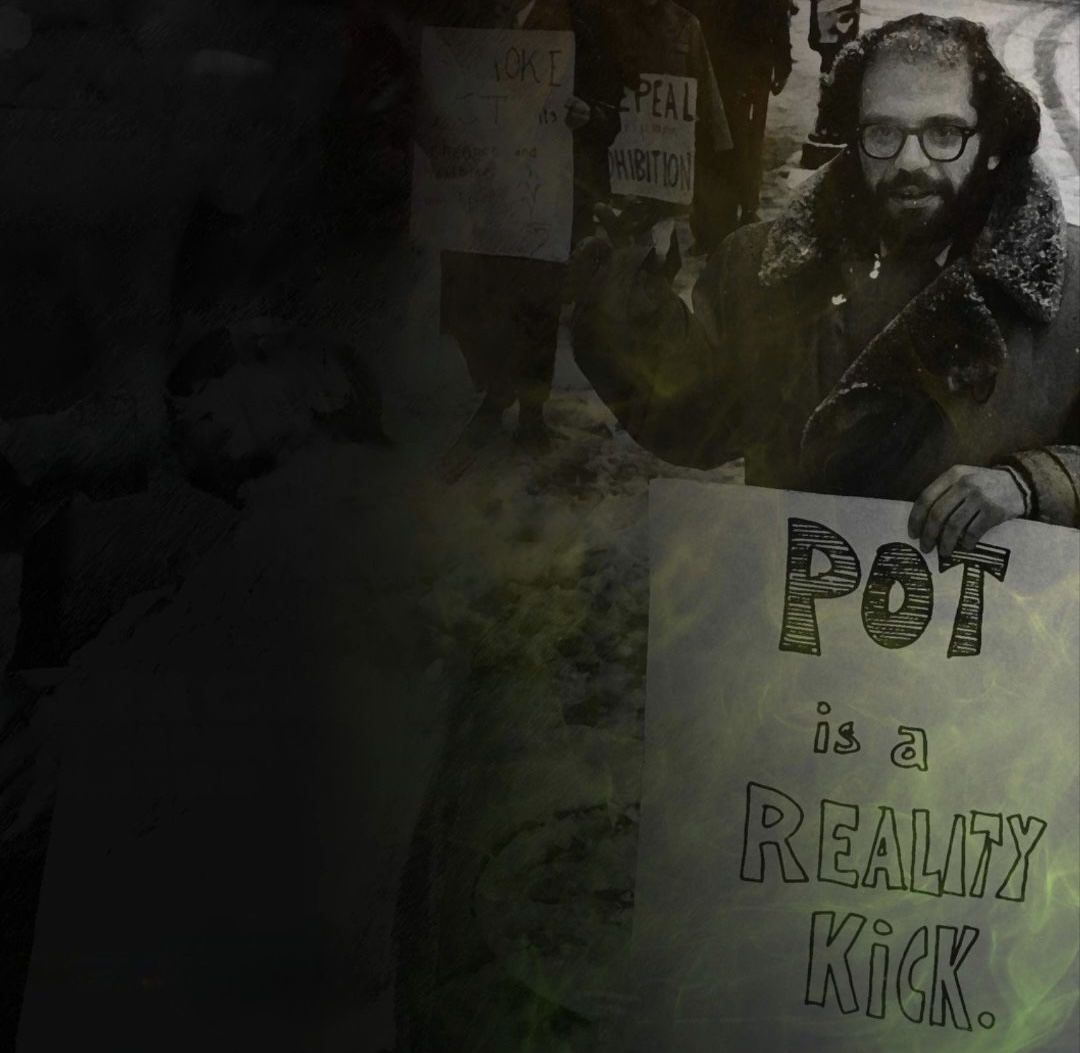
Allen Ginsberg puts it:

“The War on Drugs doesn’t make any sense at all. It’s a completely evil, sinister and outright criminal enterprise by the government.”

When Ginsberg criticized the War on Drugs, he wasn’t defending chaos. He was questioning cruelty. He was challenging the logic of a decades-long strategy built on punishment, fear, and division.

For more than half a century, drug policy has been framed as a battle. A war on substances, on crime, on “them.” But language shapes outcomes. When we build policy around combat, we shouldn’t be surprised when the results feel destructive.

What War Produces

Demand does not disappear because something is illegal. History has shown that repeatedly. When demand persists but legality vanishes, markets do not dissolve — they move into the shadows.

In the shadows, there is no product testing, no labeling standards, no age verification, no quality control and no tax revenue reinvested into communities.

Prohibition doesn’t erase demand. It removes oversight.

We can see the broader consequences of decades of prohibitionist policy ripple beyond borders, where instability and unrest are tied to complex economic and political forces
— many of which are amplified by illicit markets created through criminalization. While cannabis is only one piece of a much larger global picture, the lesson is consistent: when legitimate frameworks disappear, instability grows.

The issue isn’t the people or the plant.
It’s the absence of regulation.

Regulation Is Not Surrender —
It’s Stewardship

Some still treat regulation as weakness, as though shifting from punishment to oversight is equivalent to giving up. It isn’t. Regulation is responsibility in action.

Thoughtful regulation means:
• Lab-tested products with verified potency
• Transparent sourcing and ingredient disclosure
• Age restrictions and retail compliance
• Tax revenue directed into schools, infrastructure & public health
• Clear standards that protect consumers and communities alike

Regulation transforms a shadow market into a structured, accountable industry. It replaces fear with data. It replaces speculation with science.

At Stigma, our commitment is simple: mindfully crafted and highly effective. That principle applies not only to the products we create, but to the systems we believe in. Craft requires intention. Effectiveness requires design. Neither thrives in chaos.

Marijuana & Misunderstanding

For decades, cannabis has been grouped into a broad narrative that leaves little room for nuance. It has been portrayed as a gateway, a moral failing, or a public menace — rather than what it is: a plant with complex chemistry, diverse applications, and a wide spectrum of responsible adult consumers.

Cannabis policy has too often treated all substances, all users, and all circumstances as identical. They aren’t. When we collapse nuance into fear, we design policy that punishes —
rather than protects.

Today, research, state-level legalization efforts, and evolving public opinion are painting a more accurate picture. Regulated cannabis markets in many parts of the United States demonstrate that oversight works. Licensed operators comply with strict testing standards. Consumers know what they are purchasing. Communities benefit from job creation and tax revenue.

This is not chaos. This is structure.

Moving Beyond “Us vs. Them”

The “war” mentality depends on division. It divides citizens into categories. It frames public health challenges as moral battles. It encourages us to see neighbors as threats rather than participants in shared systems.

Compassion does not mean permissiveness. It means
evidence-based solutions, it means harm reduction, it means designing policy that acknowledges reality instead of attempting to overpower it.

The opposite of war is not anarchy. It is stewardship.

Cannabis is not a battlefield. It is part of a broader conversation about how we regulate, educate, and protect. When policy treats people as enemies, everyone loses. When policy treats communities as ecosystems — interconnected, responsive, and deserving of care — everyone benefits.

The future of cannabis is not rebellion. It is responsibility.

It is transparent supply chains. It is rigorous compliance. It is thoughtful consumption. It is systems that are mindfully crafted and highly effective. Ending the war mentality doesn’t mean abandoning standards. It means building better ones.

It means choosing wisdom over fear.

Share:

Facebook
Twitter
Pinterest
LinkedIn

More to explore