The Science of Slowness: Why Your Brain Needs Pauses in December

December is often framed as a season of joy — but neurologically, it’s one of the most demanding months of the year.

Shorter days, heightened social obligations, end-of-year deadlines, financial pressure, and constant stimulation can push the nervous system into a prolonged state of alert.

Slowness isn’t indulgent. It’s biological maintenance.

Modern neuroscience shows that intentional pauses support emotional regulation, sleep quality, and cognitive resilience — all things we tend to sacrifice during the holidays. At Stigma, we believe slowing down is not about doing less, but about doing what restores you.

Why December Overstimulates the Brain

From a brain chemistry perspective, it is a perfect storm:
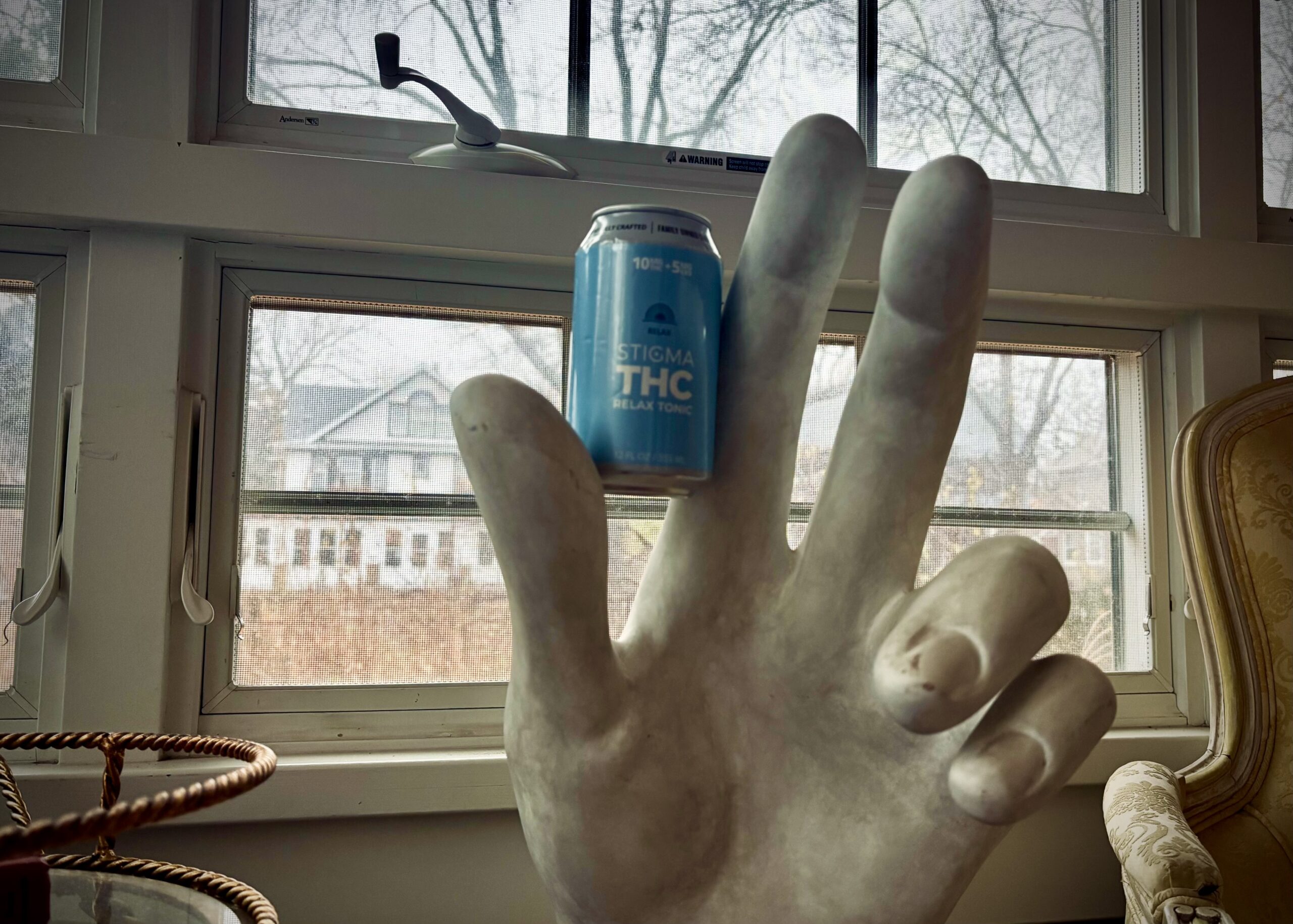
When the brain doesn’t receive enough pauses, it loses its ability to switch efficiently between focus and rest. That’s when stress feels constant, sleep becomes fragmented, and even joyful moments feel exhausting. Slowness helps recalibrate this system.

What “Slowness” Actually Does to the Brain

Intentional pauses activate the parasympathetic nervous system, often called the “rest and digest” state. This shift allows:
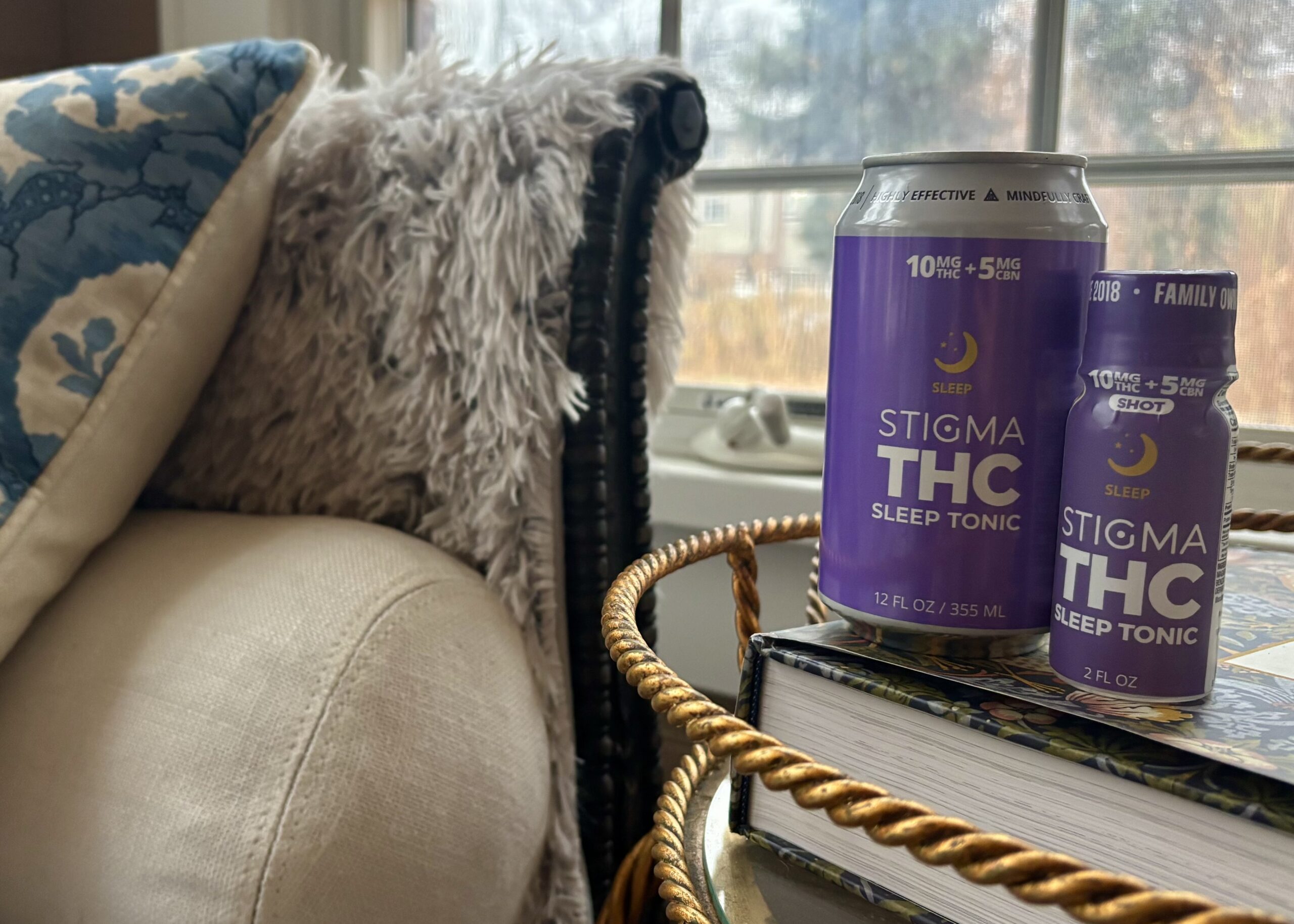
In short: slowness tells your brain that it’s safe to exhale.

Stress: Creating Micro-Pauses for a Regulated Nervous System

Stress isn’t always about intensity — it’s often about duration. Chronic low-level stress keeps the brain from resetting.
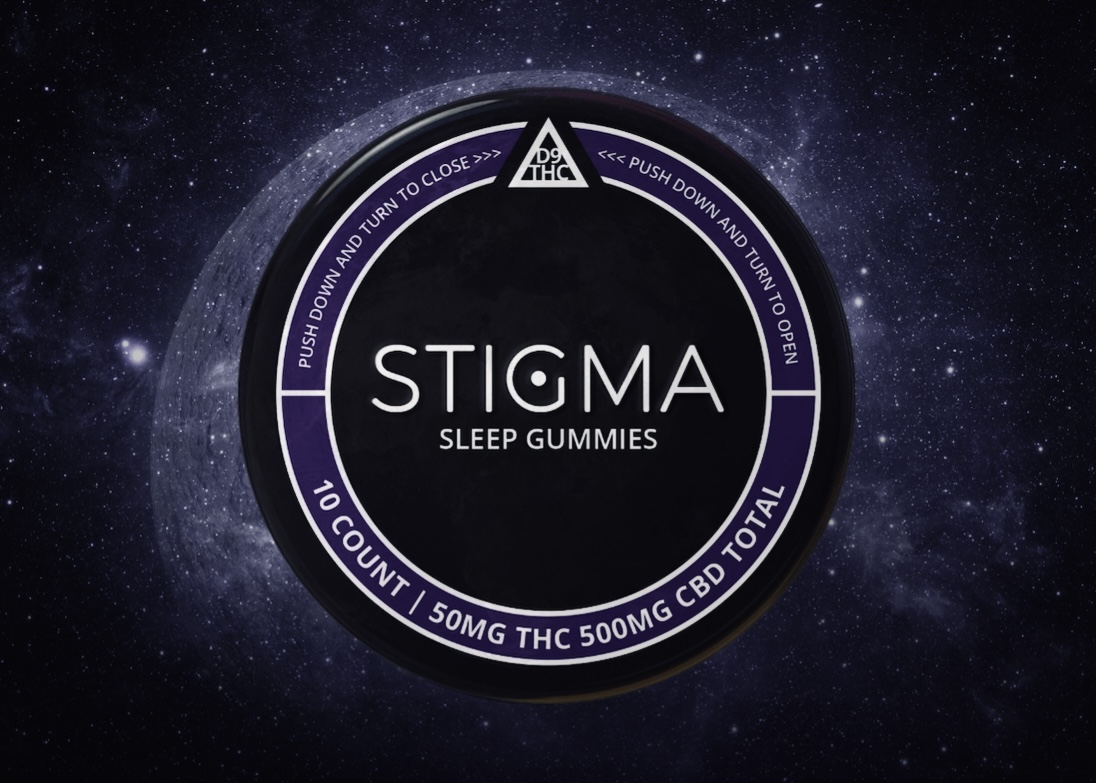
Small, intentional slowdowns throughout the day can interrupt this cycle:

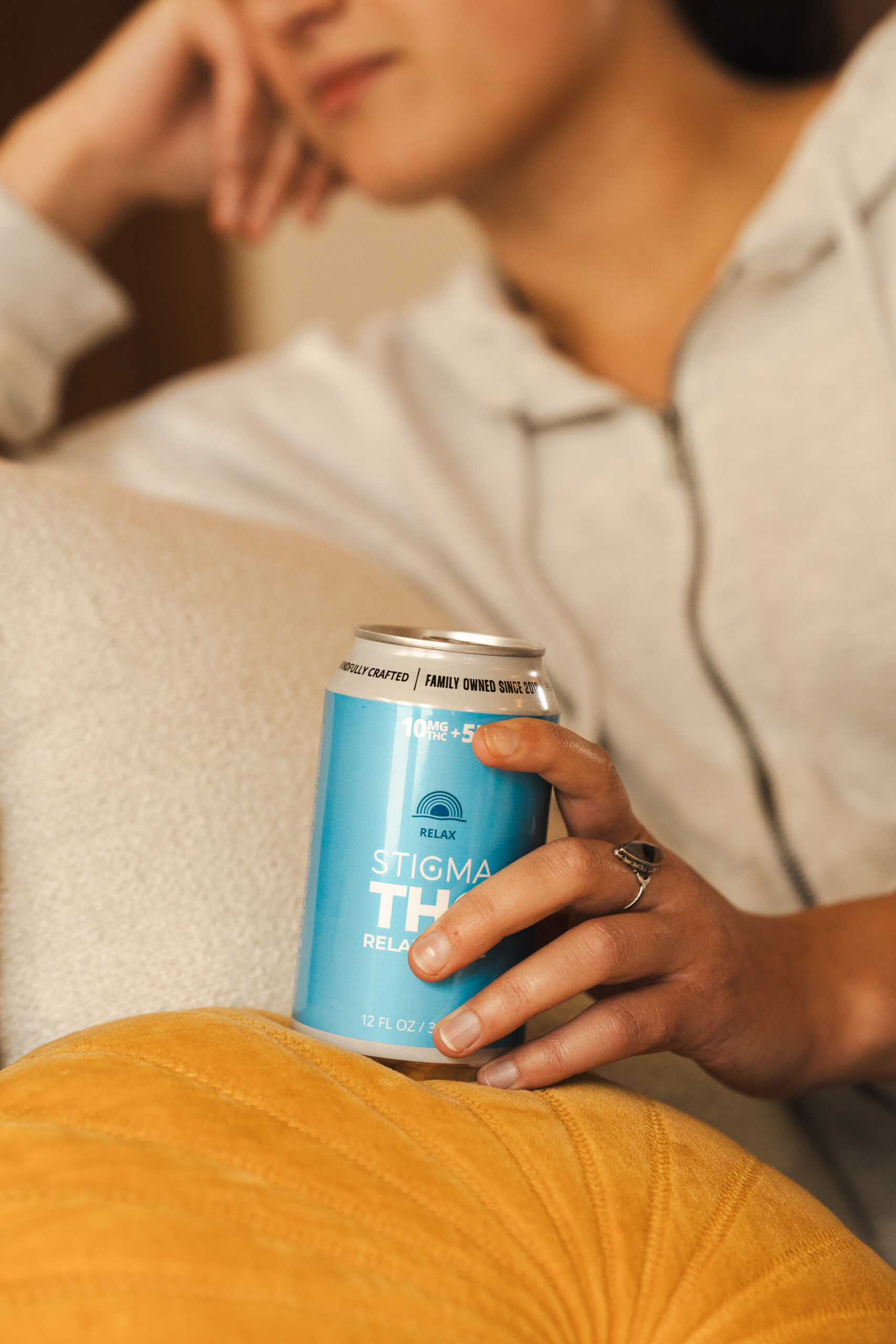
Stigma’s stress-support formulations are designed to work with your nervous system, not override it — helping reduce tension while maintaining presence and focus. Think of them as a reminder to slow your breath, not your mind.

Sleep: Why the Brain Needs Stillness Before Rest

Sleep doesn’t begin when you close your eyes — it starts hours earlier.

The brain needs time to transition from stimulation to stillness. Without that buffer, cortisol and adrenaline interfere with melatonin production, leading to:

Slowness in the evening might look like:

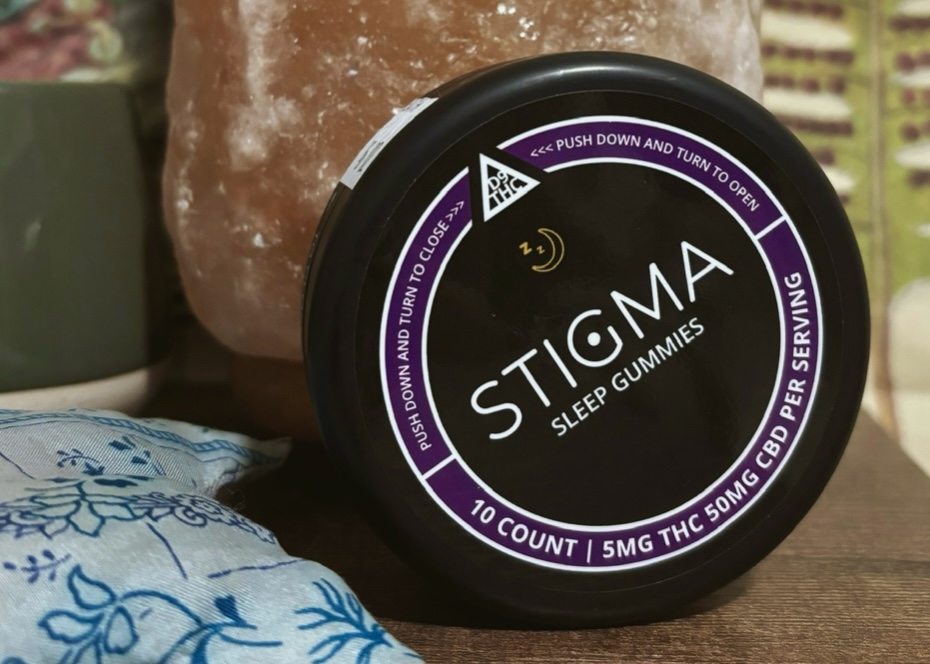
Stigma’s sleep-focused products are crafted to support this transition — encouraging the brain to release the day without forcing sedation. Rest should feel natural, not abrupt.

Slowness as a Practice, Not a Pause Button

Slowing down doesn’t mean disengaging from life. It means moving through it with intention. This December, slowness can look like:

At Stigma, we believe that caring for your brain is a form of self-respect — and slowness is one of the most science-backed ways to do it.

Explore our product page to see how Stigma can support intentional pauses and mindful routines this season.

Share:

Facebook
Twitter
Pinterest
LinkedIn

More to explore

Your Mindful Moment: THC as a Gateway to Creativity.

Creativity has often been portrayed as chaotic. The all-nighter, bursts of genius, the messy muse. But what if creativity is actually a state of presence, a type of rhythm we can return to when our mind, body, and energy align.